
Start With The Decision The Supplier Must Make
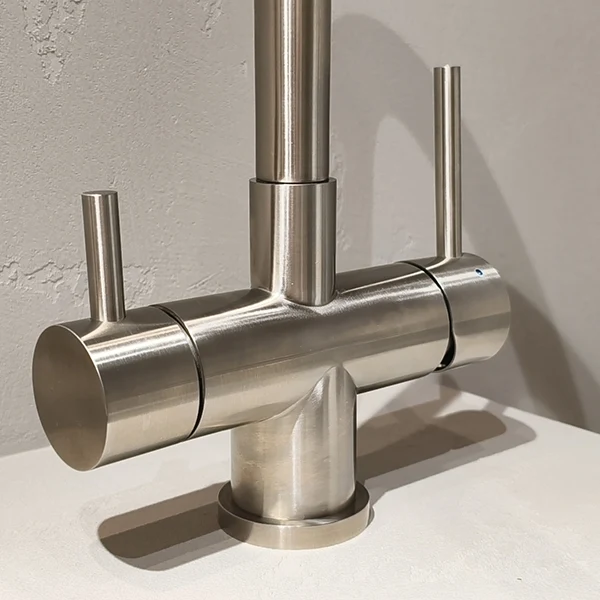
A photograph helps identify a style. It rarely tells a supplier enough about material, fit or use to confirm that a product is suitable. Add the details that could change the offer.
Mark each requirement as fixed, preferred or still open. A supplier can then explain an exception instead of quoting against an assumption.
A Specification You Can Reuse
Swipe or scroll across to see the full table.
| Field | What to record |
|---|---|
| Product / revision | Name or reference; version and date. Keep superseded versions. |
| Use and destination | What it must do, who will use it, and the intended sales or installation market. |
| Construction | Materials, dimensions, connections, drawings and a clearly identified reference. |
| Acceptance criteria | The tolerance or observable result, and how it will be checked. |
| Quantity and packaging | Estimated order range, units, assortment and packing requirements. |
| Documents and unknowns | Required evidence, owner of the question and the information still missing. |
Use One Version Across The Conversation
Give the brief a reference such as HANDLE-A and date every change. When a supplier proposes another material or dimension, record the exception and the buyer’s decision. Send the accepted revision with the RFQ and sample request.
A quantity estimate is useful even when it is a range. For a drying machine, include the material and batch weight; for beads, include diameter and hole size. The important fields depend on the product.
What Comes Next
The specification says what you want. The RFQ asks suppliers to price that requirement. Keep the two linked by reference and revision so changes remain visible.
Editorial references
Written by Brieftory. Background reading informed the general principles; product specifications and commercial terms require their own review.
- QIMA: Product inspection checklists