Change the product description to suit your request.
Plan around your application
A finished bracelet range and a loose-stone order need different approval criteria. Decide whether you are sourcing a complete design or components for your own collection.
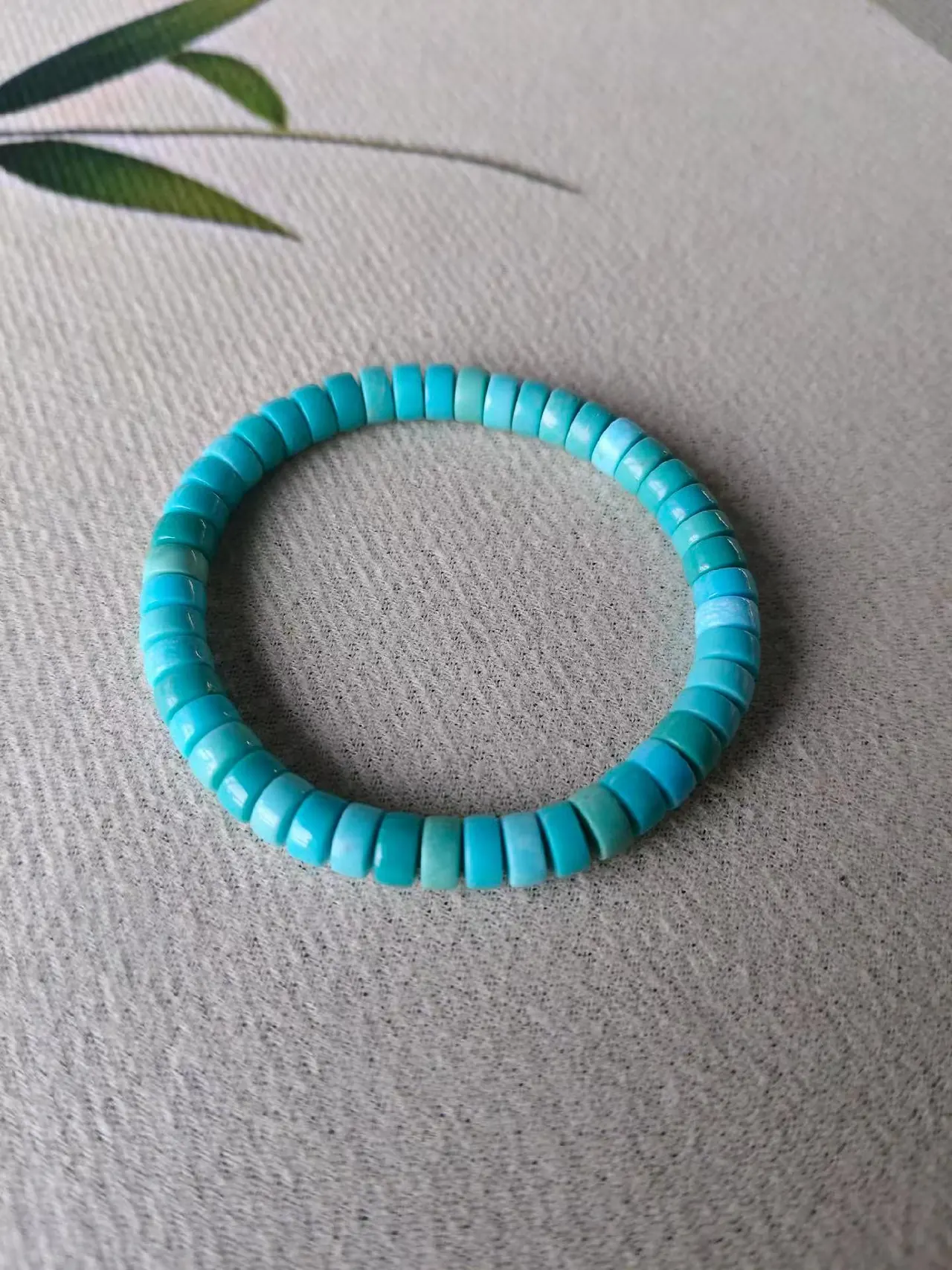
Supplier-provided bracelet image. Confirm stone identity, treatment and batch variation.
Bracelets and pendants for jewellery collections
For a retail collection, define the shape, size range and appearance you want to repeat across an order. The supplier image shows one design example; it does not establish stone identity, treatment or metal composition.
For your enquiry: Send reference designs, quantities by style, size requirements and packaging details. Request material and treatment disclosures, then approve a sample and acceptable batch variation before ordering.
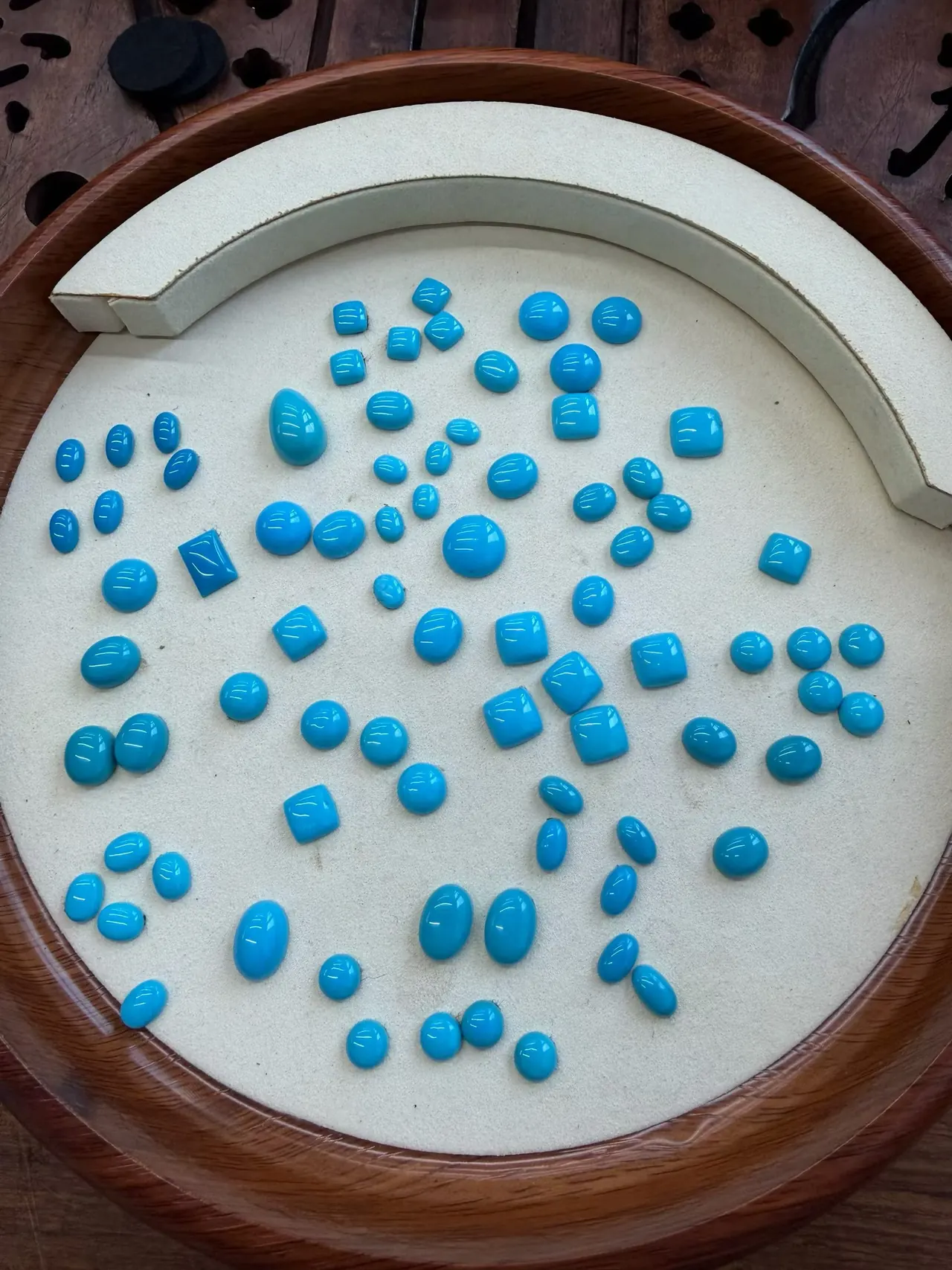
Supplier-provided cabochon assortment. Confirm dimensions and material disclosure.
Cabochons and beads for jewellery making
Loose cabochons can be compared by shape, dimensions and matching requirements for a setting. For beadwork, include the hole size and strand or assortment requirements as well as the bead dimensions.
For your enquiry: Provide a dimensioned design or stone schedule, quantities by shape and your tolerance for colour and pattern variation. Confirm material identity and treatment disclosure separately from visual sample approval.
Loose beads, matched strands, pendants or another finished jewelry design.
Material disclosure
The stated material, any treatments, and what supporting test information is available. Color alone does not establish identity.
Bead specifications
Diameter, hole size, shape, pairing and the color or matrix variation you can accept.
Finished jewelry
Design reference, metal material, findings, dimensions and the sample approval process.
Commercial details
Quantity, assortment, packaging, labeling requirements and destination.
Separate appearance approval from material questions
Give each style or batch a reference. A colour you like, a size that fits and the material being offered require different answers.
Swipe or scroll across to see the full table.
Purchase decision
Useful record
What remains to check
Will the beads or stones fit?
Requested size, hole diameter or setting dimensions, with a measurement and tolerance to agree.
Whether the supplied assortment meets the agreed dimensions; an image has no reliable scale.
Does the appearance suit the range?
A sample reference and agreed limits for colour, matrix, matching and assortment.
How the sample represents variation across the batch, rather than one selected piece.
What material is being purchased?
The supplier’s written material and treatment disclosure, plus any supporting report and goods reference.
Whether the evidence covers the proposed goods. Appearance approval does not resolve an unanswered material question.
Keep quantities in a stated unit: individual beads, strands, matched stones or finished pieces. Do not compare strand prices without checking what each strand contains.
What to confirm before comparing offers
Ask suppliers to separate material identification from appearance. A turquoise-colored image cannot prove natural origin, an untreated stone or a particular mine. Any test document needs to match the goods being discussed.
Compare the same requirement
Use the same product specification and revision when asking for quotations. Record exceptions, missing documents, sample or trial costs and the point from which a lead time starts. An unanswered question remains open.
How Brieftory can help
We review your brief and explore relevant supplier conversations. Supplier interest, documents and current order conditions need checking for your request. Choose direct introduction or agree a buyer-side assignment before paid work.
Buying guides from Brieftory
Practical reading to help you prepare the next supplier conversation.