
What is the difference between OEM and ODM?
OEM commonly describes manufacturing to a buyer’s specification or design. ODM commonly describes a supplier-developed design that a buyer may select or adapt. Suppliers use these labels differently, so ask about the actual arrangement.
The useful comparison is who brings the design, what can change and who will verify the result. A label does not settle ownership or grant exclusive rights.
Compare The Work, Not Just The Label
Swipe or scroll across to see the full table.
| Question | Buyer-led design | Supplier-developed design |
|---|---|---|
| Design input | Which drawings and specifications must the buyer supply? | What existing design can be offered, and with which restrictions? |
| Changes | How will proposed manufacturing changes be approved? | Which dimensions, components or finishes may be changed? |
| Validation | Who checks the prototype against the supplied requirements? | What needs to be retested after customization? |
| Deliverables | Which drawings, source files and samples are handed over? | What documentation is supplied with the selected design? |
| Rights and tooling | Who owns or may use the design, tooling and changes? | What licenses, exclusivity or reuse limits have been agreed? |
Prepare An OEM Procurement Request
Start with the drawing or specification revision the supplier should quote. Include intended use, destination, order quantity, materials, dimensions, packaging and the checks you need before approving production. Mark unresolved details so the supplier can raise questions rather than price an assumption.
Separate the quotation into unit price, samples, tooling and development work. Ask what must be approved before production begins and what event starts the lead time. Use the RFQ template to keep these items visible across offers.
Before accepting a sample, record the part reference, specification revision, observed result and outstanding checks. Our sample approval guide explains how to keep that decision traceable.
Resolve Rights In The Agreement
Permission to use a design and ownership of the underlying rights are different matters. Record existing intellectual property, new modifications, tooling, source files and the territory or use covered by any permission.
Ask for professional review where necessary. Do not assume that paying for a sample or adding a logo transfers all design rights.
Turn a listed option into a priced requirement
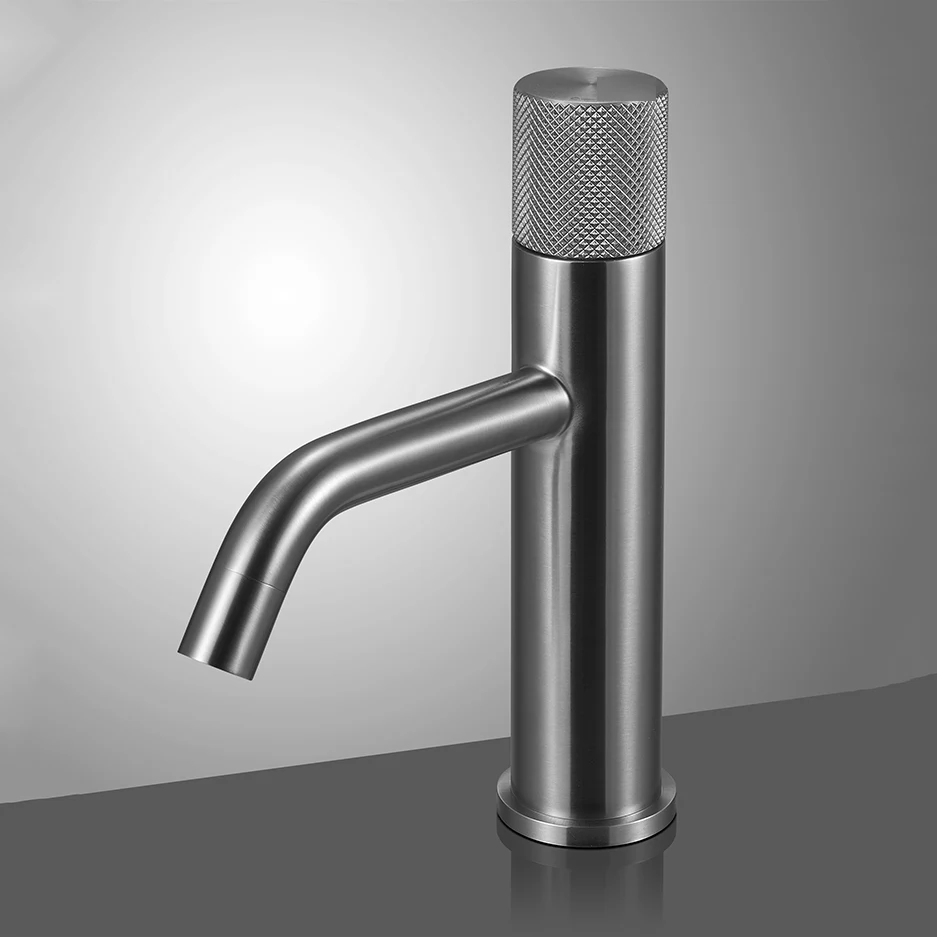
A supplier listing for a tall basin faucet offers colour customisation. That gives a buyer a reason to ask about finishes for that model. It does not settle a request for a different spout, a new connection or private-label packaging.
Keep the existing design and each proposed change separate in the enquiry. The record below is an illustrative preparation format, not a quotation or a confirmed customization offer.
- Keep
- The chosen model and its approved installation dimensions. Attach the drawing revision you are using.
- Change
- The finish, described by a reference sample or agreed specification. List a logo or packaging request separately if needed.
- Ask the supplier to price
- The product at your quantity, finish sample, setup or development work, packaging and any excluded costs.
- Decide before production
- Which drawing and sample are approved, what remains open and who must approve a further change.
If the installation dimensions must change, ask for a revised drawing and a separate feasibility response. An offer for a finish change should not be treated as approval of a redesigned product. The custom faucet RFQ guide takes this example into model-by-model purchasing requirements.
Prepare The Next Conversation
List what you already have, what the supplier must develop and which decisions require your approval. Put the functional requirements into a product specification, then request a quotation that separates development or tooling from unit price.
Editorial references
Written by Brieftory. Background reading informed the general principles; product specifications and commercial terms require their own review.
- WIPO: Technology transfer agreements